

Constipated & Confused: How Can Pelvic Floor Therapy Can Help
Constipation is a common problem that affects millions of people worldwide. It can cause discomfort, frustration, and confusion about how to find relief, especially when we have normalized it! Unfortunatley constipation disproportionately effects women due to the effects of estrogen. This is why many menstruating people trend towards constipation during their luteal phase when estrogen is low. This also happens in menopause as estrogen declines, in this case, HRT (hormone replacement therapy) can be very helpful!
While many folks are only encouraged to turn to dietary changes or laxatives, pelvic floor therapy offers a less-known but effective approach to managing constipation. This therapy targets the muscles involved in bowel movements, helping restore normal function and ease symptoms.

Understanding Constipation and Its Causes
Constipation can be classified by having less then three bowel movements a week. People can often experience hard stools, straining, or a feeling of incomplete evacuation. Causes vary widely, including:
Low fiber intake
Dehydration
Sedentary lifestyle
Certain medications
Stress and anxiety
Joint hypermobility
Hormone fluxuations
Pelvic Congestion Syndrome
Endometriosis
Ehlers-Danlos Syndrome
Pelvic floor dysfunction
Pelvic floor dysfunction occurs when the muscles that support the pelvic organs and control bowel movements do not work properly. These muscles may be too tight, under supported, or uncoordinated, making it hard to pass stool even if the digestive system is healthy.
How Pelvic Floor Therapy Helps With Constipation
Pelvic floor therapy can address the root cause of constipation related to muscle dysfunction. Here’s how it helps:
Improves muscle coordination: Many people with constipation have difficulty relaxing the deep pelvic floor muscles during bowel movements. Therapy teaches how to relax these muscles properly.
Strengthens weak muscles: Weak pelvic floor muscles can lead to poor control and incomplete evacuation. Strengthening exercises help improve muscle tone and proper emptying.
Reduces straining: By improving muscle function, therapy reduces the need to strain, which lowers the risk of hemorrhoids, anal fissures, and other complications.
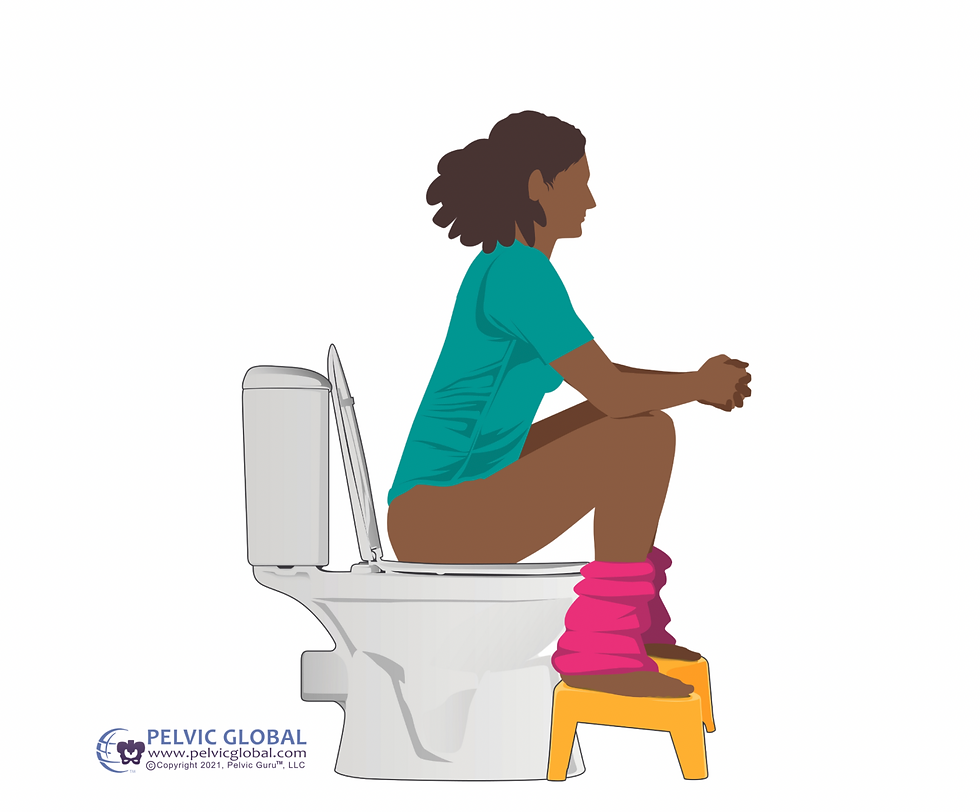
Supports posture: Proper posture and breathwork can ease pressure on the pelvic floor and improve bowel function.
Myofascial Release: By releasing tension in the abdominal fascia (connective tissue) we can help the body shift into a parasympathetic state, increasing digestion.
Who Can Benefit From Pelvic Floor Therapy?
Pelvic floor therapy is useful for anyone struggling with constipation caused by muscle issues. This includes:
People with chronic constipation not relieved by diet or medication
People with IBS (D or C)
Those with pelvic pain or discomfort during bowel movements
Perimenopausal or menopausal folks with recent changes to their bowel health from hormonal shifts
Individuals with a history of any kind of pelvic surgery (cyst removal, endometriosis, fibroids, etc) or childbirth trauma
People experiencing symptoms of pelvic floor dysfunction such as urinary incontinence or pelvic organ prolapse
Pelvic floor therapy treatments should follow the individuals routines, habits, and lifestyle to create the best longterm solutions.
What to Expect at Pelvic Floor Therapy
A pelvic floor therapy experience at Hälsa will include:
Initial assessment: The therapist will evaluate your full body strength, coordination, and posture. They will also review past medical history, medications, and lifestyle factors. The evaluation may involve internal or external pelvic floor exams.
Education: Patients learn about pelvic floor anatomy and how it affects bowel function based on their symptoms.
Exercise plan: Customized stretches and exercises focus on relaxation, strengthening, and coordination.
Foundations for stress & lifestyle: Discussions around stress management, diet, hydration, and habits that support bowel health.
Sessions will always be 60 minutes and occur weekly or biweekly. Many people notice improvement within a few weeks, though full benefits may take several months.
Practical Tips to Support Therapy
Alongside pelvic floor therapy, these habits can improve constipation:
Eat plenty of fiber-rich foods like fruits, vegetables, and whole grains
Drink enough water throughout the day
Stay physically active to stimulate bowel function
Avoid prolonged sitting on the toilet
Practice deep breathing and relaxation techniques to reduce muscle tension
Combining these with therapy creates a comprehensive approach to managing constipation long term.
Pelvic floor therapy offers a practical and effective way to address constipation caused by muscle dysfunction. By improving muscle coordination, strength, and awareness, it helps restore normal bowel movements and reduces discomfort. If you have tried other methods without success, consider discussing pelvic floor therapy with a specialist. Taking this step could bring relief and clarity to the confusing problem of constipation.


Comments